
Best Fruits for People Living With Diabetes
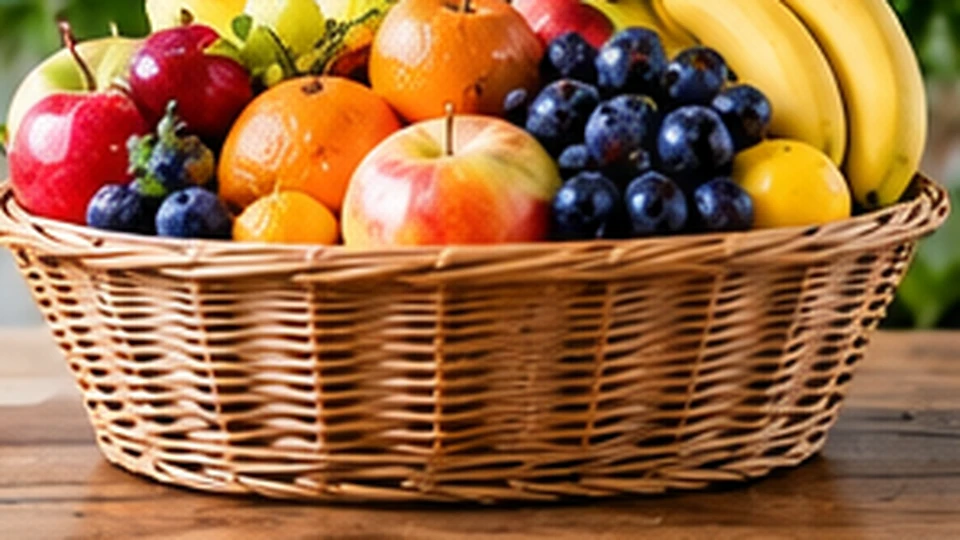
People living with diabetes can include fruit in a balanced eating pattern, with attention to portion size, carbohydrate content and the difference between whole fruit and juice.
Read article →Patient information, health guidance and hospital updates.

People living with diabetes can include fruit in a balanced eating pattern, with attention to portion size, carbohydrate content and the difference between whole fruit and juice.
Read article →

Coconut water and coconut flesh have different nutrient profiles: the water is mainly fluid and electrolytes, while the flesh is high in fat and fibre.
Read article →
Vitamin C, carotenoids, water and antioxidant plant compounds in fruit can support normal skin structure and function.
Read article →
Fruit is nutritious, but an extremely high intake can crowd out other food groups and may cause digestive or carbohydrate-related problems in some people.
Read article →
Eating fruit at night is not automatically harmful; total diet, portion size, symptoms and individual needs matter more than the clock.
Read article →
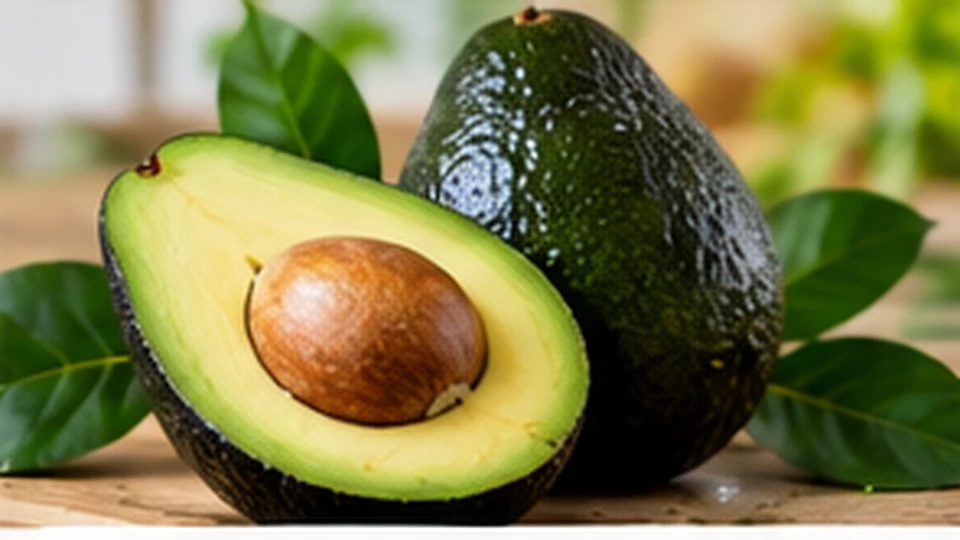
Avocado is unusual among fruits because it is rich in monounsaturated fat as well as fibre, potassium, folate and vitamin E.
Read article →
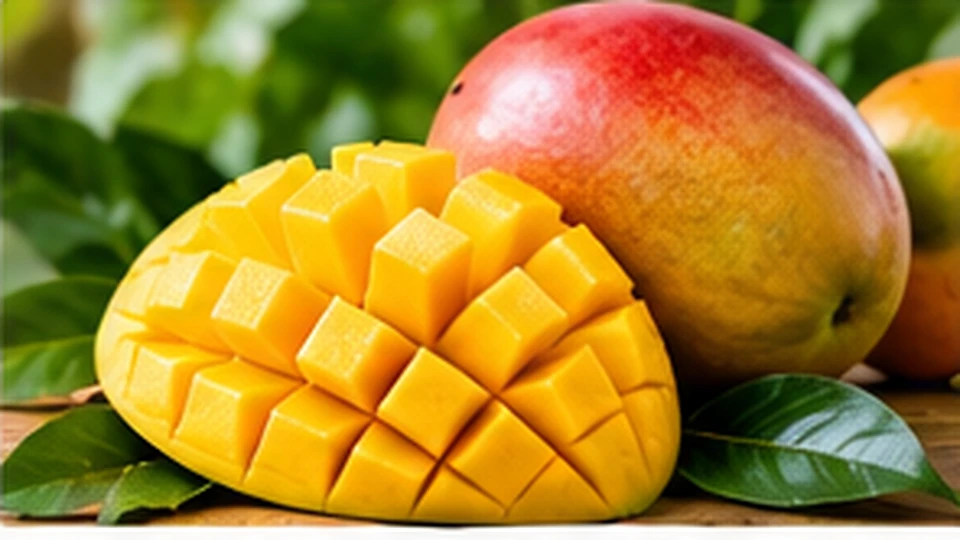
Mangoes provide vitamins C and A-related carotenoids, folate, fibre and several plant compounds.
Read article →
Pineapple supplies vitamin C, manganese and bromelain-related enzymes and can be part of a varied fruit intake.
Read article →
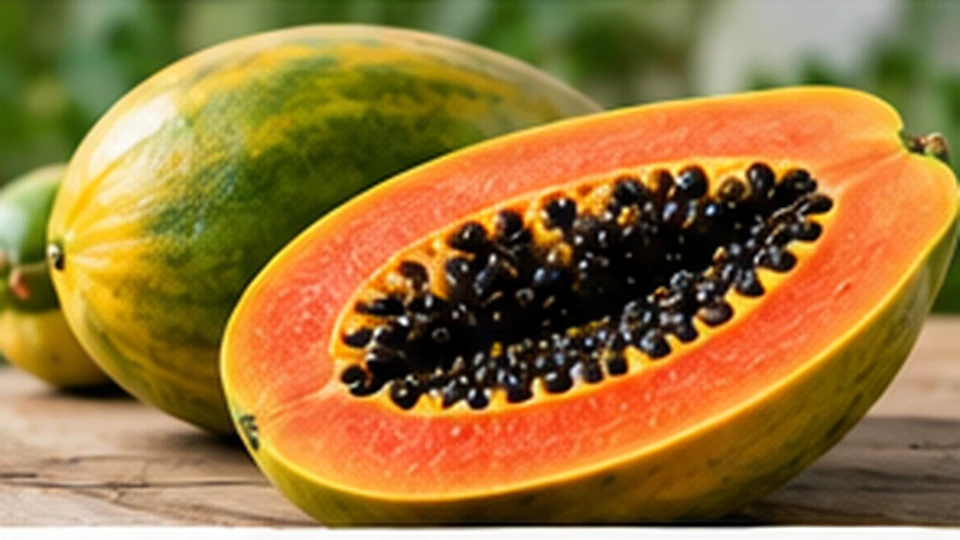
Pawpaw is rich in vitamin C, carotenoids, folate and fibre and contains the digestive enzyme papain.
Read article →