
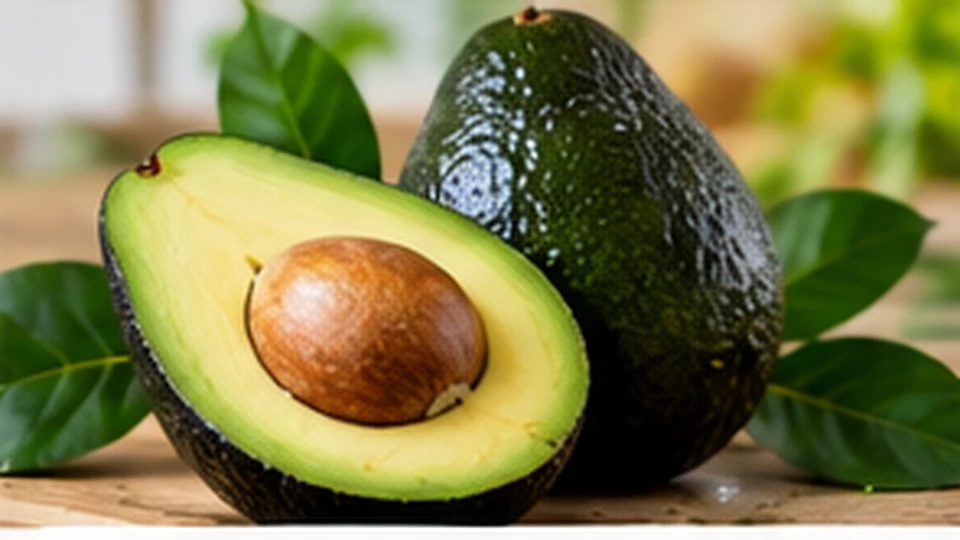
Avocado has a different nutrient profile from most sweet fruits. It is relatively high in fat, with much of that fat being monounsaturated, and it also provides fibre, potassium, folate and vitamin E.
Nutrition and key nutrients
| Nutrient or feature | Why it matters |
|---|---|
| Monounsaturated fat | Can replace some saturated fat in a heart-healthy eating pattern. |
| Fibre | Supports digestion and fullness. |
| Potassium | Supports blood-pressure regulation. |
| Folate | Supports normal cell division. |
| Vitamin E | A fat-soluble antioxidant nutrient. |
Health benefits
- Replacing foods high in saturated fat with unsaturated-fat foods such as avocado can support heart-health goals.
- Avocado fibre contributes to digestive health and satiety.
- Potassium supports normal blood pressure and muscle function.
- Fat helps with absorption of fat-soluble carotenoids from the same meal.
- Avocado can add texture and nutrients without added sugar.
Possible side effects and precautions
- Avocado is more energy-dense than most fruits, so portions can matter where total energy intake is a concern.
- People with latex-fruit syndrome may react to avocado.
- People following medically prescribed potassium restrictions should follow their individual limits.
Bottom line
Fruit can contribute vitamins, minerals, fibre, water and protective plant compounds to a balanced diet. Variety matters: different fruits provide different nutrients, and whole fruit is usually a better everyday choice than sweetened fruit drinks.