
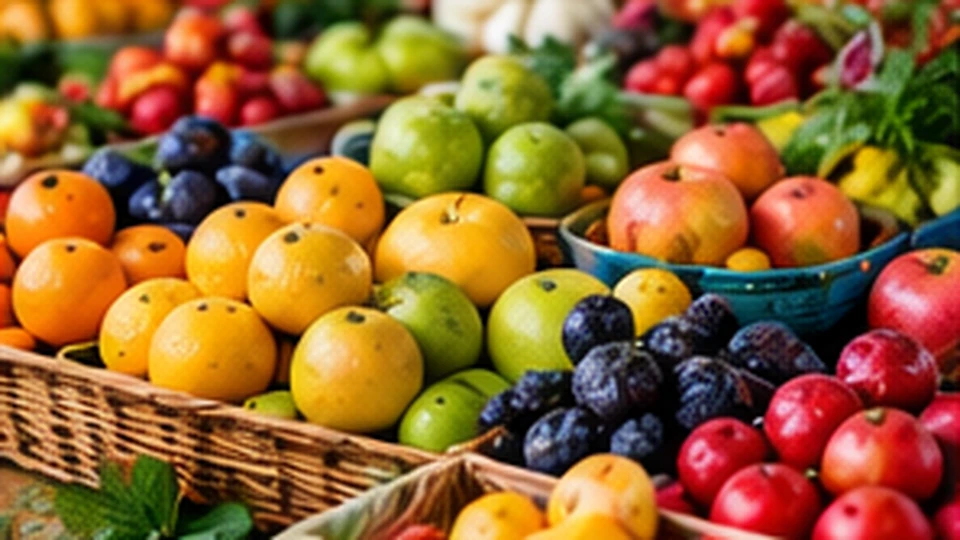
Nigeria's climate supports many tropical and subtropical fruits. Availability changes by region and season, but common choices include banana, orange, pawpaw, pineapple, watermelon, mango, guava, avocado, coconut and African star apple. Each fruit has a different nutrient profile.
Nutrition and key nutrients
| Nutrient or feature | Why it matters |
|---|---|
| Banana | Potassium, vitamin B6, carbohydrate and fibre. |
| Orange | Vitamin C, folate, fibre and citrus flavonoids. |
| Pawpaw | Vitamin C, carotenoids, folate and fibre. |
| Mango | Vitamin C, carotenoids and folate. |
| Guava | Very high vitamin C plus fibre and potassium. |
| Watermelon | Water, vitamin C, lycopene and citrulline. |
| Avocado | Monounsaturated fat, fibre, folate and potassium. |
| Pineapple | Vitamin C, manganese and bromelain-related enzymes. |
| Coconut | Fibre and fat in the flesh; fluid and potassium in coconut water. |
| African star apple | Carbohydrate, fibre and vitamin-containing fruit flesh; nutrient levels vary by variety. |
Health benefits
- Choosing seasonal local fruit can improve variety and affordability.
- Guava, oranges and pawpaw are useful vitamin C sources.
- Bananas and avocado contribute potassium.
- Mango and pawpaw contribute carotenoids.
- Watermelon contributes fluid and lycopene.
- Avocado adds unsaturated fat, unlike most sweet fruits.
Possible side effects and precautions
- Nutrient content varies with variety, ripeness, soil, storage and preparation.
- Fruit should be washed before eating or cutting.
- Dried or sweetened fruit products can contain more sugar or energy than the fresh fruit.
- Whole fruit generally provides more fibre than juice.
Bottom line
Fruit can contribute vitamins, minerals, fibre, water and protective plant compounds to a balanced diet. Variety matters: different fruits provide different nutrients, and whole fruit is usually a better everyday choice than sweetened fruit drinks.