
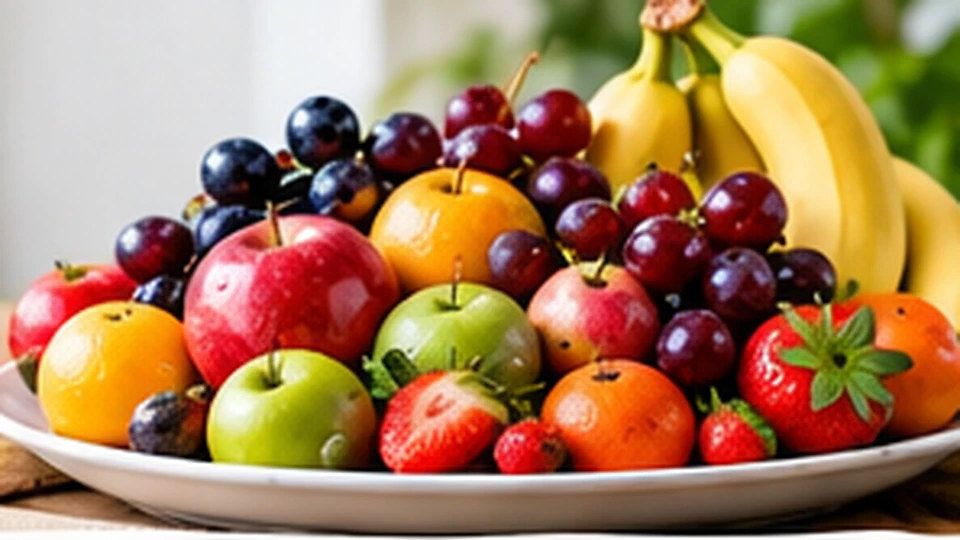
Fruit is an important part of healthy eating because it supplies nutrients in a naturally packaged form that includes water and fibre. Different fruits have different strengths, so a varied intake is more useful than relying on only one type.
Nutrition and key nutrients
| Nutrient or feature | Why it matters |
|---|---|
| Dietary fibre | Supports normal bowel function and can help with fullness. |
| Vitamin C | Supports normal immune function, collagen formation and iron absorption. |
| Potassium | Contributes to normal nerve, muscle and blood-pressure regulation. |
| Folate | Important for normal cell division and red blood cell formation. |
| Plant compounds | Polyphenols and carotenoids contribute antioxidant activity. |
Health benefits
- Fruit can increase intake of vitamins and minerals that are often under-consumed.
- Fibre-rich fruits can support regular bowel movements and a healthy digestive pattern.
- Potassium-rich fruit can form part of a heart-healthy eating pattern.
- Whole fruit can help with satiety because it combines water, fibre and chewing.
- Vitamin-C-rich fruits support collagen formation in skin, blood vessels, cartilage and bone.
- A varied fruit intake adds different colours and plant compounds to the diet.
- Replacing sweets or highly processed snacks with whole fruit can improve overall diet quality.
- Many fruits contribute fluid as well as nutrients, especially watermelon, oranges and pawpaw.
- Fruit can support healthy eating across different life stages when portions and preparation are appropriate.
- Regular fruit intake is associated with healthier dietary patterns and lower risk of several non-communicable diseases.
How much is enough?
World Health Organization recommendations encourage a combined intake of at least 400 grams of fruits and vegetables per day for people older than 10 years. The exact balance between fruit and vegetables can vary, and variety remains important.
Possible side effects and precautions
- Fruit still contains natural sugars, so very large portions can add considerable carbohydrate and energy.
- Fruit juice contains less fibre than whole fruit and can be easier to consume in large amounts.
- People with food allergies should avoid fruits that trigger reactions.
- People with kidney disease or other conditions requiring potassium restriction may need individual dietary limits.
Bottom line
Fruit can contribute vitamins, minerals, fibre, water and protective plant compounds to a balanced diet. Variety matters: different fruits provide different nutrients, and whole fruit is usually a better everyday choice than sweetened fruit drinks.